>>
30-MINUTE MEALS! Get the email series now →


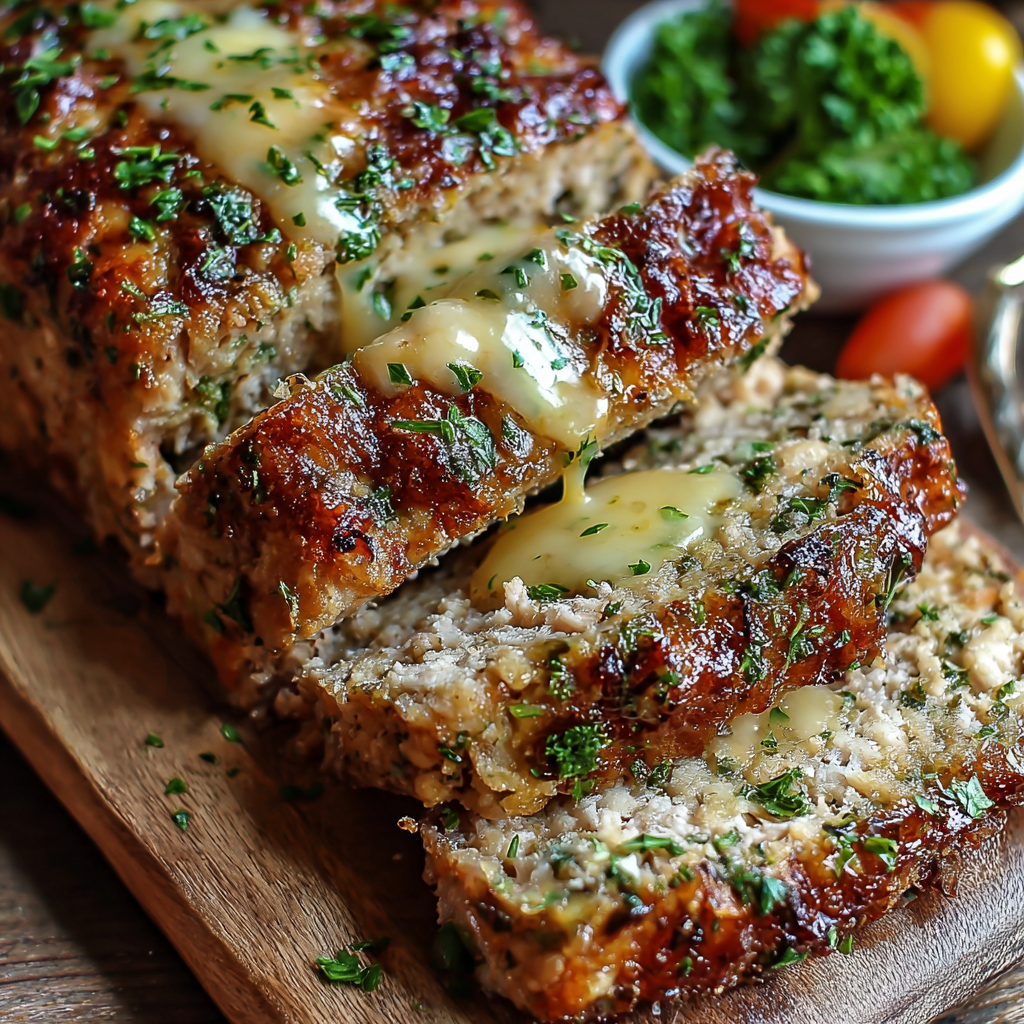
A quick, high-protein cottage cheese loaf that doubles as flatbread or sandwich slices—minimal ingredients and big on texture and versatility.

On my first tray, I spread the batter thin and used it as an instant pizza base. My partner declared it a keeper after the second bite, praising how it cradled toppings without sogging. Over time I learned to vary thickness and seasoning based on use: thin and crispy for wraps, thicker and loaf-style for sandwiches. The simplicity and success rate make this a reliable go-to whenever I want quick homemade bread without yeast.

My favorite thing about this bread is how forgiving it is. I have made it at irregular oven temperatures, in different pans, and with different cottage cheese brands, and each iteration was usable if not identical. For family breakfasts, I toast slices and top them with avocado and smoked salmon; for quick dinners, the flatbread becomes a pizza base that satisfies picky eaters. These small victories—turning a few staple ingredients into something adaptable—are why I keep making it.
Wrap cooled slices tightly in plastic wrap or place in an airtight container and refrigerate for up to 4–5 days. For longer storage, slice and freeze between sheets of parchment in a sealed freezer bag for up to 3 months. Thaw slices in the fridge overnight or reheat directly from frozen in a toaster oven or skillet; a quick toast restores crisp edges. Avoid storing while still warm to prevent condensation and sogginess; cool completely before sealing.
If you prefer a slightly different texture, swap cottage cheese for ricotta at a 1:1 ratio; ricotta produces a softer, creamier interior. For a firmer, drier crumb, use drained full-fat cottage cheese and press in a sieve for 10–15 minutes. Skip eggs only with caution: they are key for structure. To keep it dairy-free you could experiment with silken tofu blended with a binder like a flax egg, but results will be different in texture and flavor.

Use thin slices as wraps for grilled vegetables and hummus, or toast thicker slices for avocado and a soft-poached egg. It makes a fantastic low-carb pizza base: pre-bake until edges brown, add sauce and toppings, then return to the oven for a few minutes. For breakfast, smear with cream cheese and smoked salmon or honey and berries for a sweeter twist. Garnish with fresh herbs, chili flakes, or a drizzle of olive oil depending on the meal.
While not a traditional bread from any single region, this kind of dairy-and-egg bake echoes peasant and frugal-cook traditions where simple staples are transformed into staple breads or flatbreads. Many cuisines use a dairy-plus-egg base to make quick pannacotta-like bakes or savory custards; this preparation modernizes that idea into a grab-and-go loaf that fits contemporary dietary preferences for higher protein options.
In spring and summer, fold in finely chopped fresh herbs and lemon zest for brightness. In autumn, add roasted garlic and a pinch of smoked paprika for warmth. Holiday versions can be made by adding grated Parmesan and rosemary for a savory centerpiece, or a little nutmeg and honey for a sweeter brunch loaf. The base is forgiving to seasonal flavor shifts and pairs well with many produce options.
Make a double batch and slice it into portions before freezing so you can pull out single servings. Label bags with the date and intended use (sandwich or flatbread). For a week of lunches, pre-toast slices lightly and pack toppings separately to avoid sogginess. When reheating from frozen, give a quick toast then finish under the broiler for 1–2 minutes to refresh the crust.
This simple cottage cheese loaf is proof that minimal ingredients can produce flexible, delicious results. It’s an easy way to add homemade bread to your repertoire without yeast, hours of proofing, or complicated techniques. Give it a try, then experiment with herbs, spices, and shapes to make it truly yours.
Use room-temperature eggs to help the batter blend more smoothly and yield slightly better volume.
If your cottage cheese seems watery, drain it briefly in a fine mesh sieve for 5–10 minutes before blending.
For crisp edges, spread thinly on a baking sheet; for sandwich slices, use a small loaf pan and bake longer.
Cool completely on a wire rack before slicing to let the structure set and avoid tearing.
Reheat slices in a toaster or under a broiler rather than microwaving to preserve texture.
This nourishing simple cottage cheese bread recipe is sure to be a staple in your kitchen. Enjoy every moist, high protein slice — it is perfect for breakfast or as a wholesome snack any time.
Yes. Store slices in an airtight container in the refrigerator for up to 4–5 days, or freeze for up to 3 months.
Use a food processor or high-speed blender and process until the mixture is completely smooth with no visible curds.
Thin spreads bake faster and become crispier, while loaf pans require longer baking (up to 45–50 minutes) to set through.
This Simple Cottage Cheese Bread recipe makes perfectly juicy, tender, and flavorful steak every time! Serve with potatoes and a side salad for an unforgettable dinner in under 30 minutes.
Place 1 cup cottage cheese and 2 large eggs into a food processor or blender. Add optional garlic powder and Italian seasoning. Process until completely smooth with no lumps, about 30–60 seconds. Pause to scrape the sides if necessary to ensure an even consistency.
Preheat oven to 350°F (175°C). Line a baking sheet fully with parchment paper and lightly coat the paper with cooking spray. For a loaf, line a small loaf pan with parchment paper.
Pour the smooth batter onto the prepared sheet and spread evenly with the back of a spoon or an offset spatula to desired thickness and shape. Sprinkle oregano or extra seasonings on top if desired.
Bake on the middle rack. Thin spreads will bake in about 30–35 minutes; loaf pans may require 45–50 minutes. Look for golden edges and a set center. Use a toothpick to check doneness; it should come out mostly clean.
Transfer the baked bread on parchment to a wire rack and cool completely before removing and slicing. Cooling helps the structure set and prevents tearing or sticking to the paper.
Last Step: Please leave a rating and comment letting us know how you liked this recipe! This helps our business to thrive and continue providing free, high-quality recipes for you.
Leave a comment & rating below or tag
@mrcooks on social media!

A playful holiday dessert: crisp white chocolate–lined tortilla shells filled with a light, whipped cream cheese filling and finished with graham crumbs, sprinkles and crushed candy cane.

Buttery peanut butter meets crisp cereal and a silky chocolate swirl for an irresistible, easy-to-make bar that everyone will ask for again.

A creamy spinach and ricotta pasta bake topped with bubbling mozzarella and a bright tomato sauce. Simple pantry ingredients come together for a comforting yet elegant family meal.
Leave a comment & rating below or tag @mrcooks on social media!
Enjoyed this recipe? Share it with friends and family, and don't forget to leave a review!
This recipe looks amazing! Can't wait to try it.
Comments are stored locally in your browser. Server comments are displayed alongside your local comments.

Join to receive our email series which contains a round-up of some of our quick and easy family favorite recipes.